Building Resilience: What Nepal’s Landslides Teach Us About Sustainability

DLM Pte Ltd

When Nature Tests Our Infrastructure: Lessons from Nepal on Climate Resilience

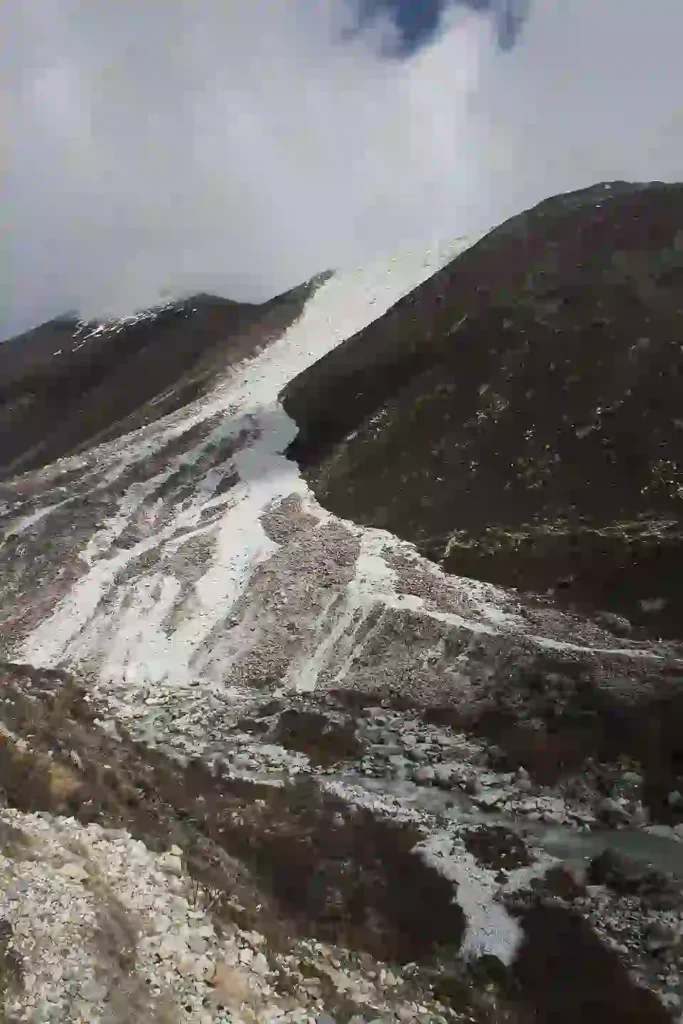
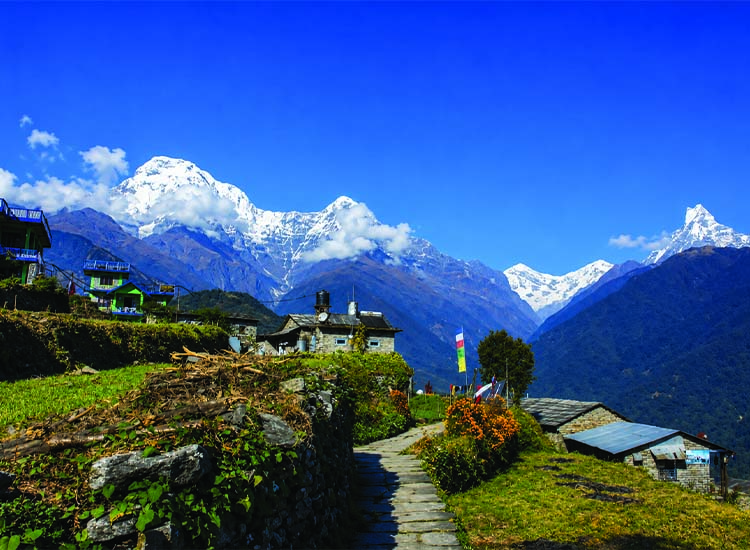
Recent landslides in Nepal have brought renewed attention to the impact that extreme weather and changing environmental conditions can have on communities, buildings and essential infrastructure.

Nepal’s mountainous landscape naturally makes it vulnerable to landslides, particularly during periods of heavy rainfall. But today, the challenge goes beyond geography. Climate change, changing rainfall patterns, land development and environmental pressures are increasing the need for communities around the world to think more carefully about resilience.

For the Built Environment, this carries an important message:

Sustainability is not only about reducing our environmental impact. It is also about building places that are prepared for a changing world.

Sustainability is About Resilience

When we talk about sustainability, we often think about energy efficiency, carbon reduction, renewable energy and conserving natural resources.

These are important, but sustainability also means creating buildings and infrastructure that can continue to function safely and efficiently when faced with changing environmental conditions.

Extreme rainfall, flooding, rising temperatures and other climate-related events can place additional pressure on buildings and infrastructure.

This is where resilient design and engineering become increasingly important.

Green 100 SME Badge Sustainability

BUILDiNG BETTER

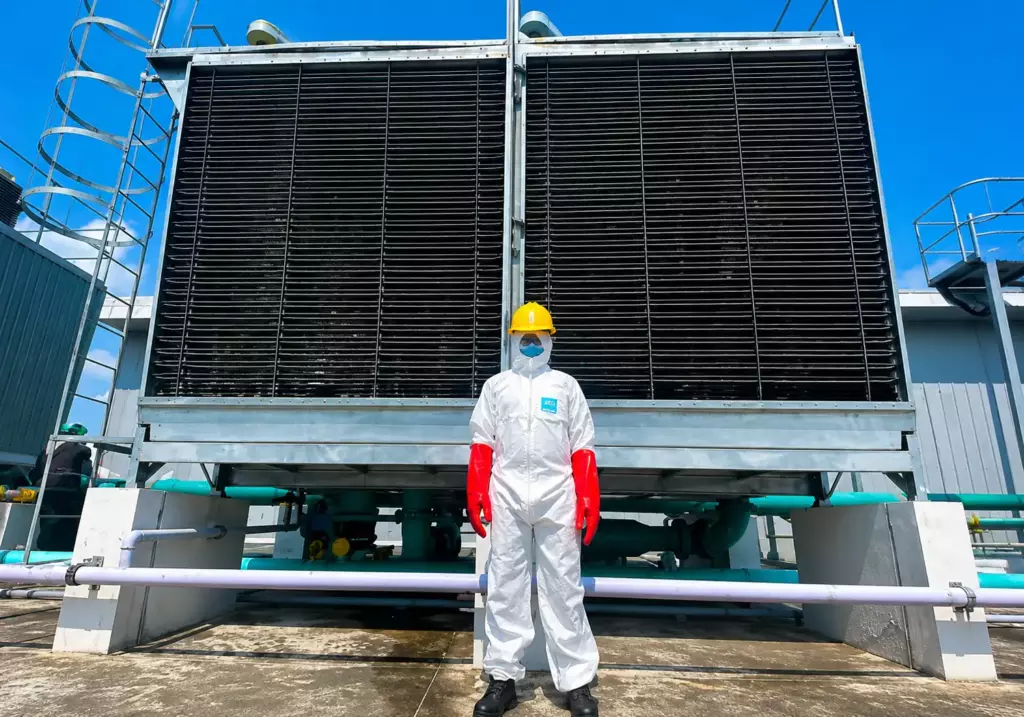
Where M&E Engineering Makes a Difference

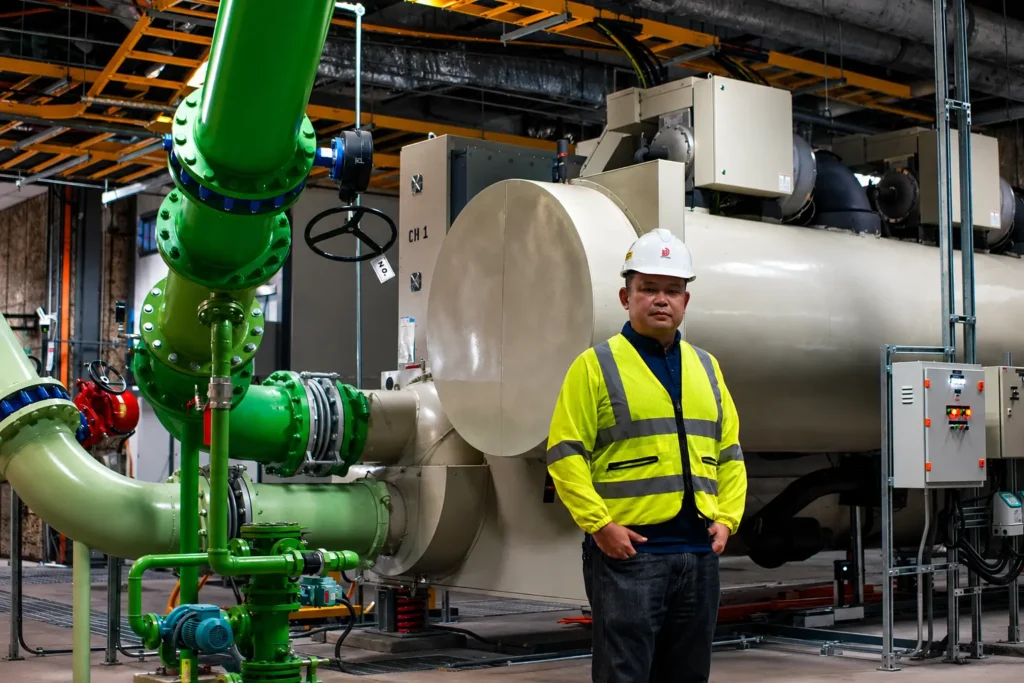
Mechanical and Electrical (M&E) systems are at the heart of every modern building.

Air-conditioning and ventilation, electrical distribution, water systems, pumps, controls and other essential services allow buildings to operate safely and effectively every day.

During extreme weather events, the reliability of these systems becomes even more critical.

Good M&E design can help buildings become more resilient through measures such as:

Reliable electrical systems that support critical building operations.

Effective drainage and pumping systems that help manage heavy rainfall and reduce flood risks.

Energy-efficient ACMV systems that maintain comfortable indoor environments while reducing energy consumption.

Smart monitoring and building controls that allow problems to be identified earlier and systems to respond more effectively.

Proper maintenance and lifecycle planning to ensure essential equipment continues to perform when it is needed most.

Engineering for a Changing Climate

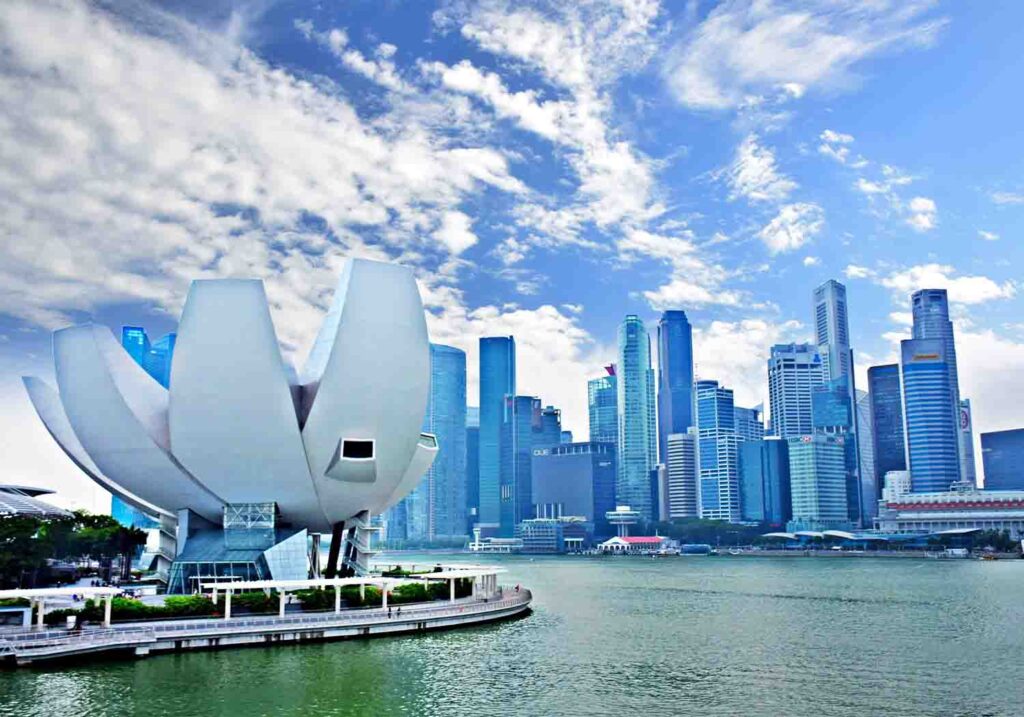
The events in Nepal are very different from the challenges we face in Singapore, but the underlying lesson is relevant everywhere.

Infrastructure needs to be designed not only for today's conditions, but also with tomorrow's risks in mind.

In Singapore, our challenges may include heavier rainfall, flash floods, rising temperatures and increasing demands on energy and building systems. This makes resilient and sustainable engineering increasingly important across the Built Environment.

For M&E professionals, this means looking beyond individual equipment and systems to consider the performance of the building as a whole.

  • Can we use less energy?
  • Can our systems operate more efficiently?
  • Can we monitor problems earlier?
  • Can our infrastructure cope with more extreme conditions?
  • And can we design today in a way that makes our buildings more resilient tomorrow?

Building Better for Tomorrow

At DLM Pte Ltd, sustainability is part of a broader commitment to building better.

As an M&E engineering company, we recognise that the systems behind a building play an important role in its efficiency, reliability and resilience.

From energy-efficient ACMV solutions and electrical infrastructure to smart controls, water management and responsible maintenance, M&E engineering can contribute to a Built Environment that is better equipped for the future.

The landslides in Nepal are a powerful reminder of how closely our environment, communities and infrastructure are connected.

We may not be able to prevent every natural event, but through thoughtful planning, responsible development and good engineering, we can create infrastructure that is better prepared to respond.


Because true sustainability is not only about protecting the world we live in today — it is about building resilience for the world of tomorrow.

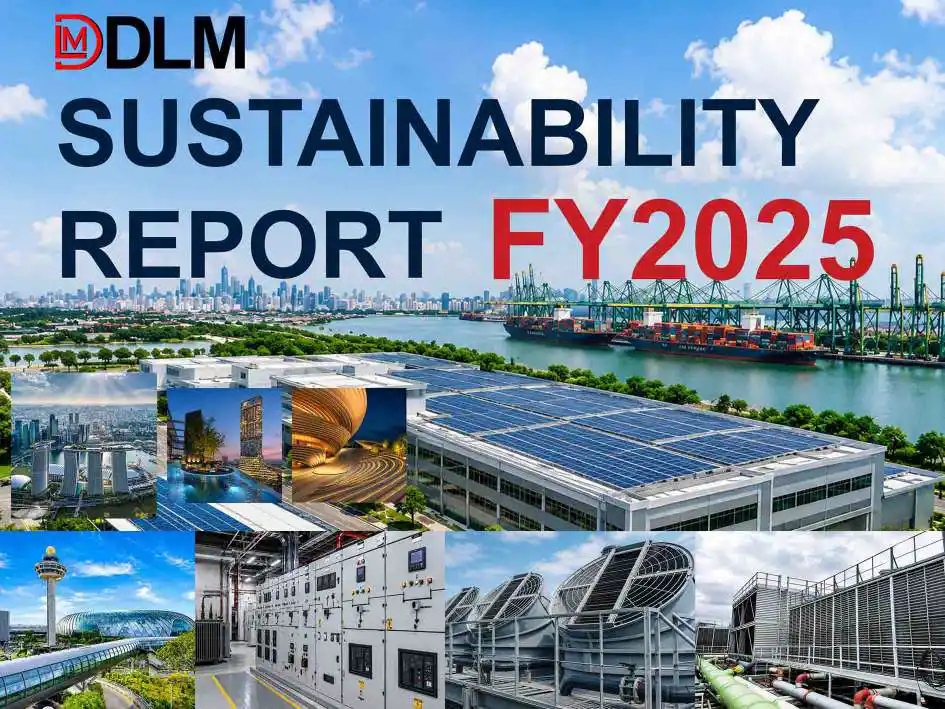
To request a copy of DLM Pte Ltd latest Sustainability Report, please email us at sustainability@dlm.com.sg.

Quality Standards in Mechanical & Electrical Engineering

At DLM Pte Ltd, quality, safety, and sustainability define the way we work.

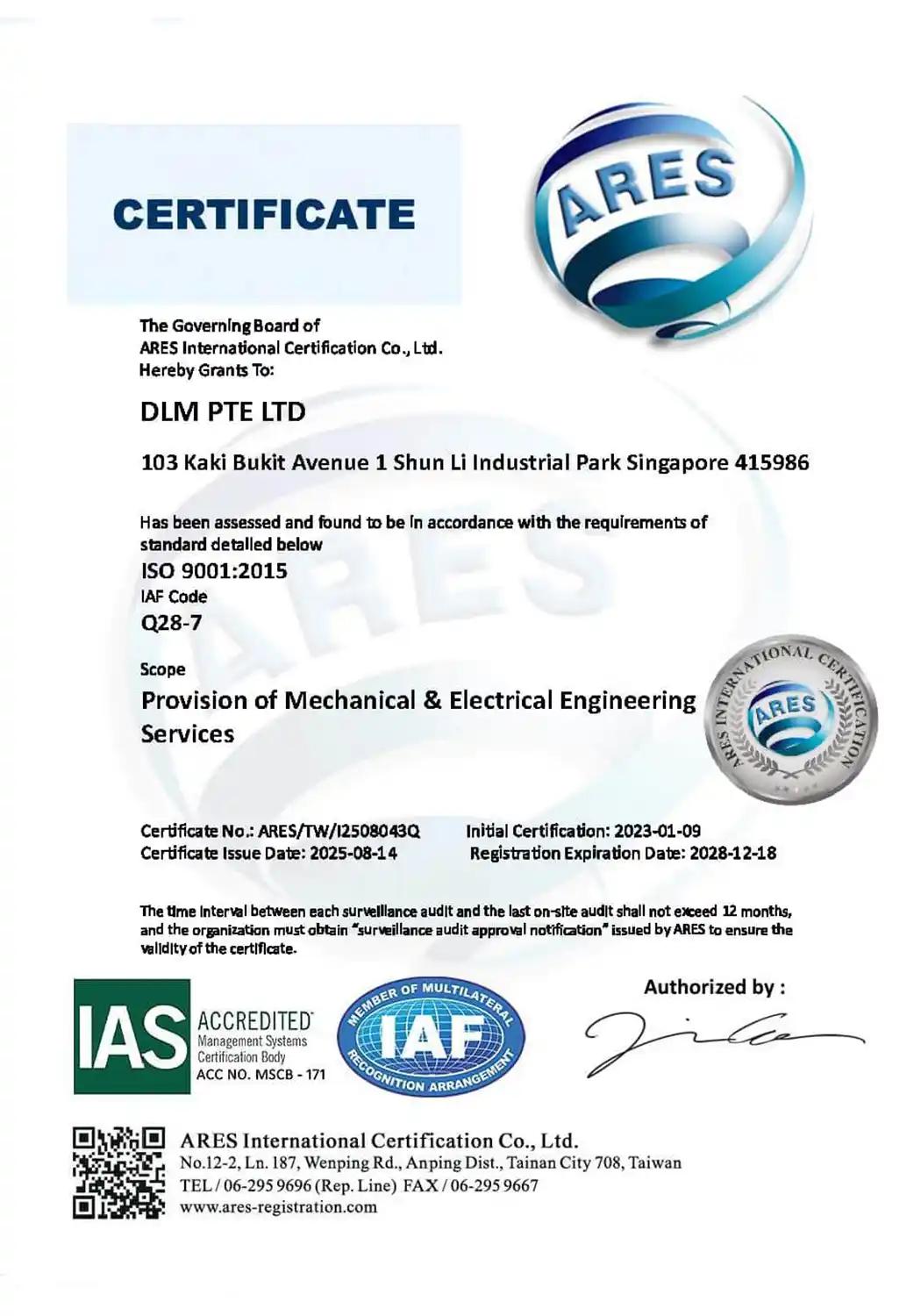
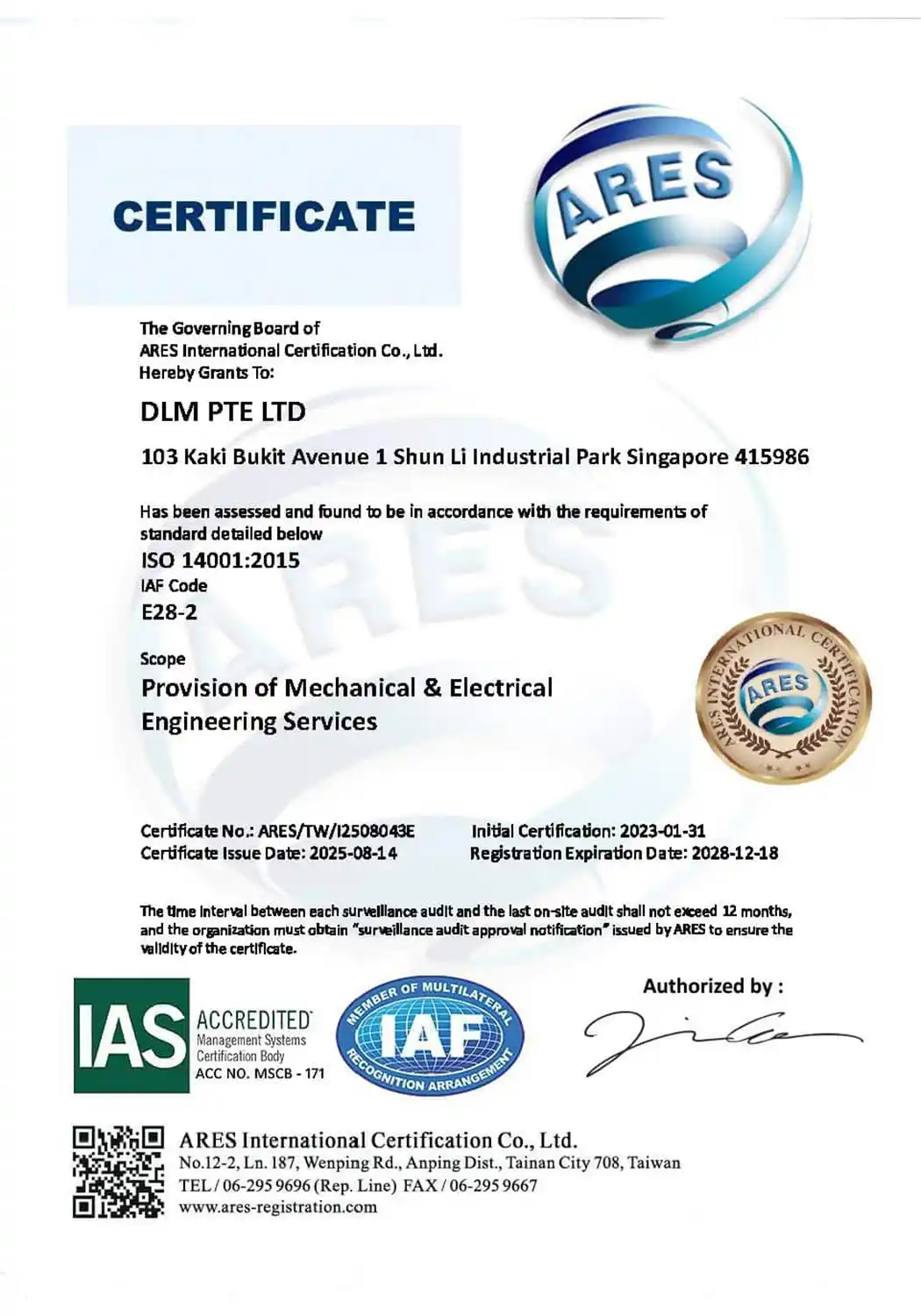
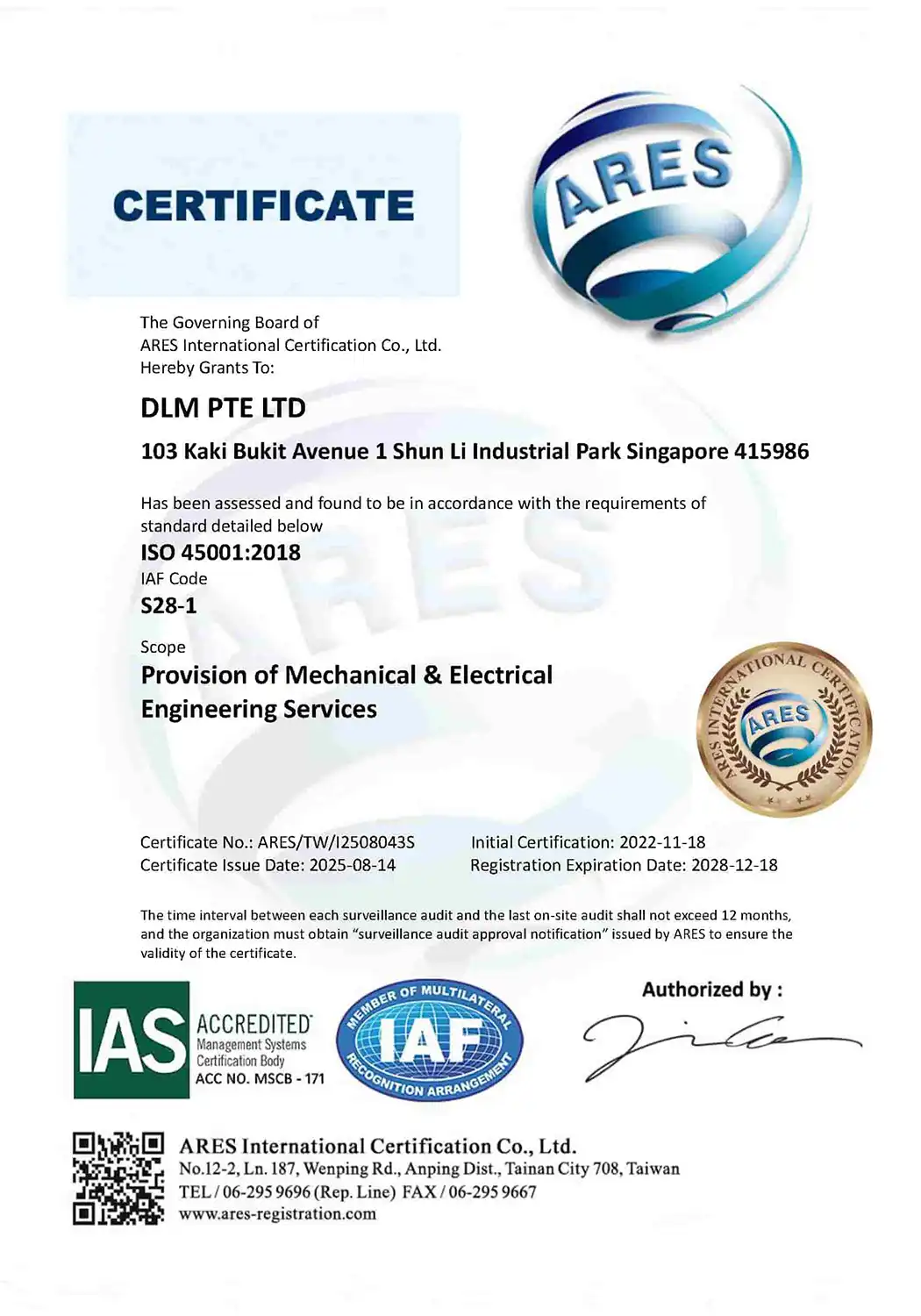
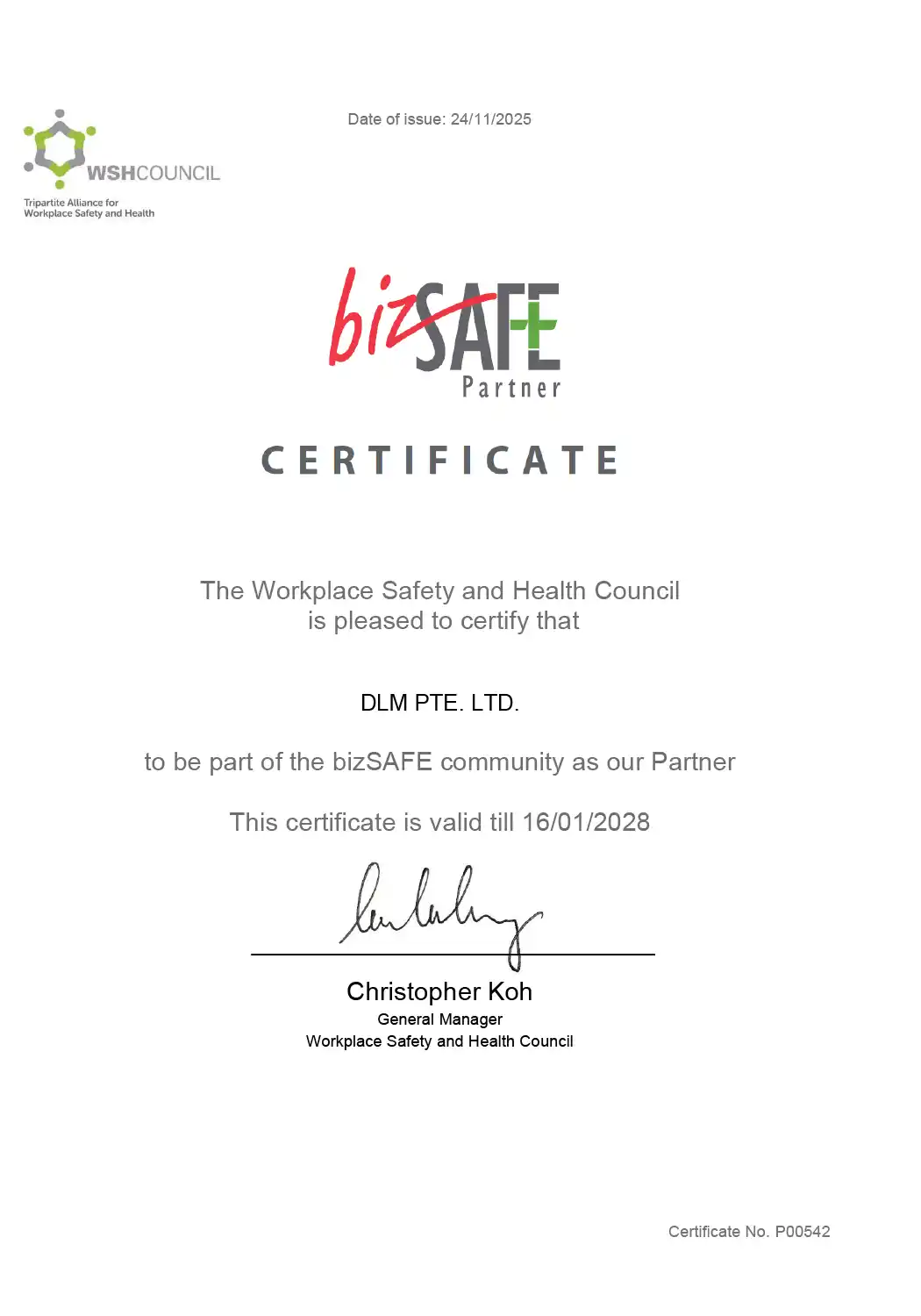
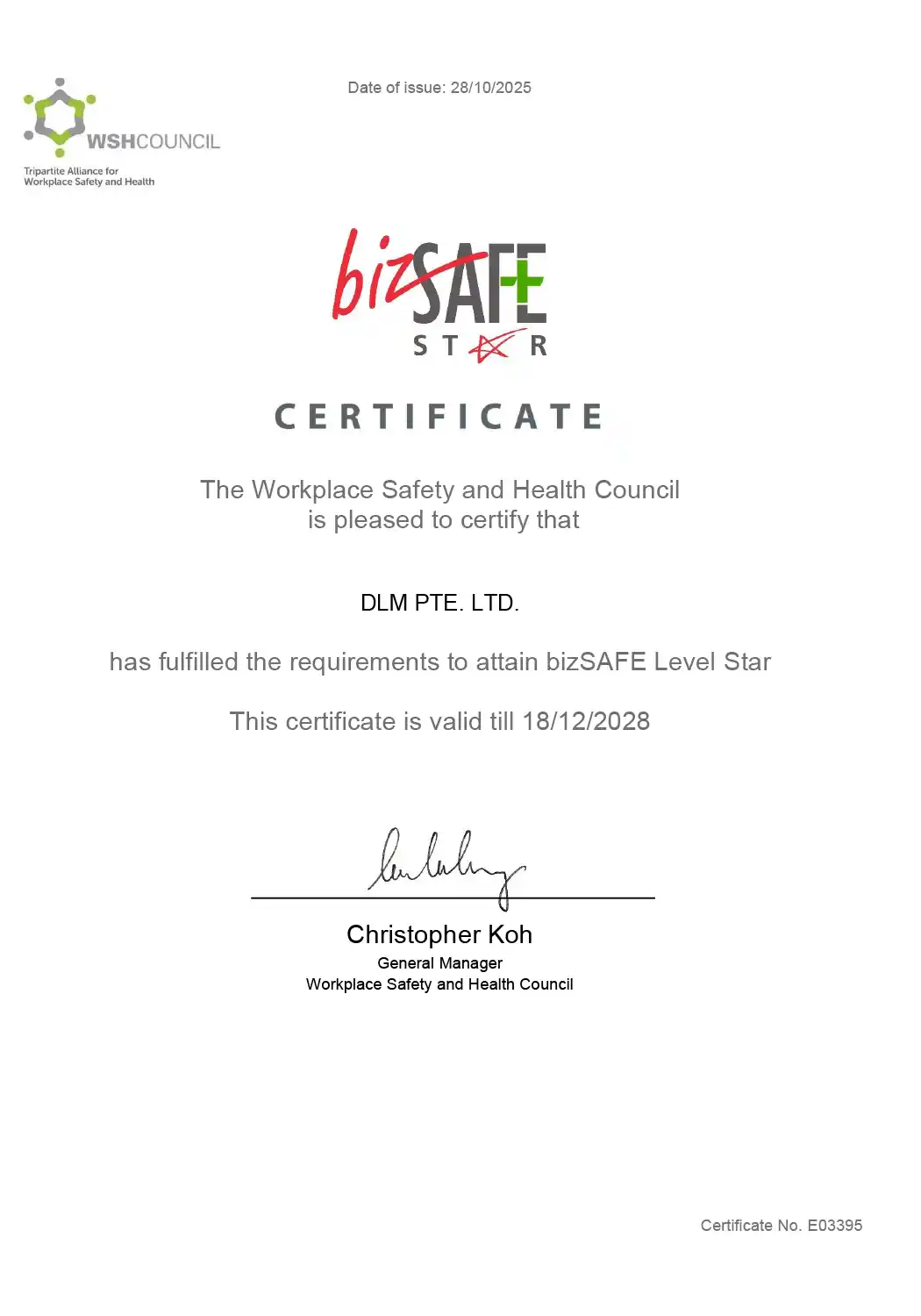
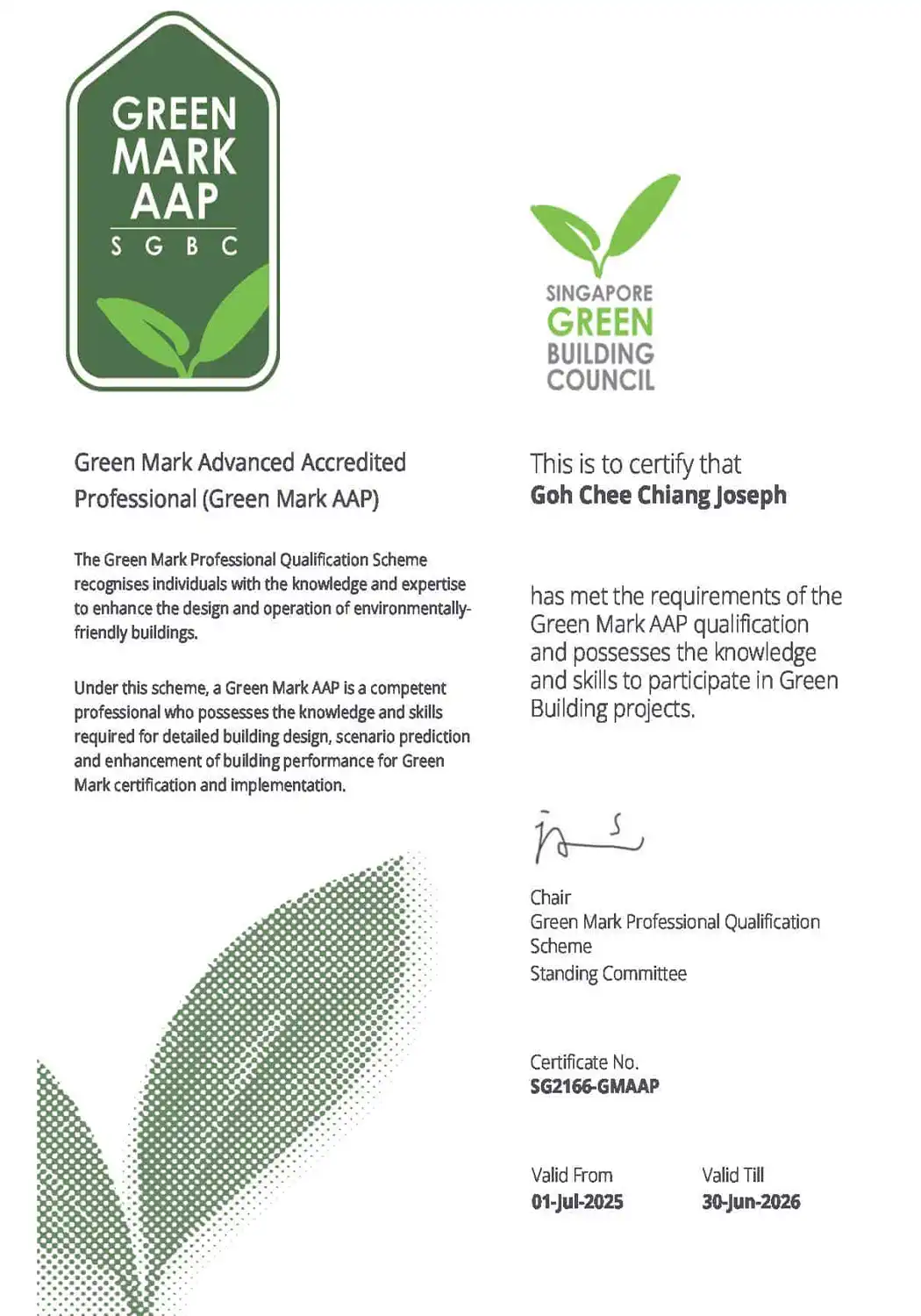
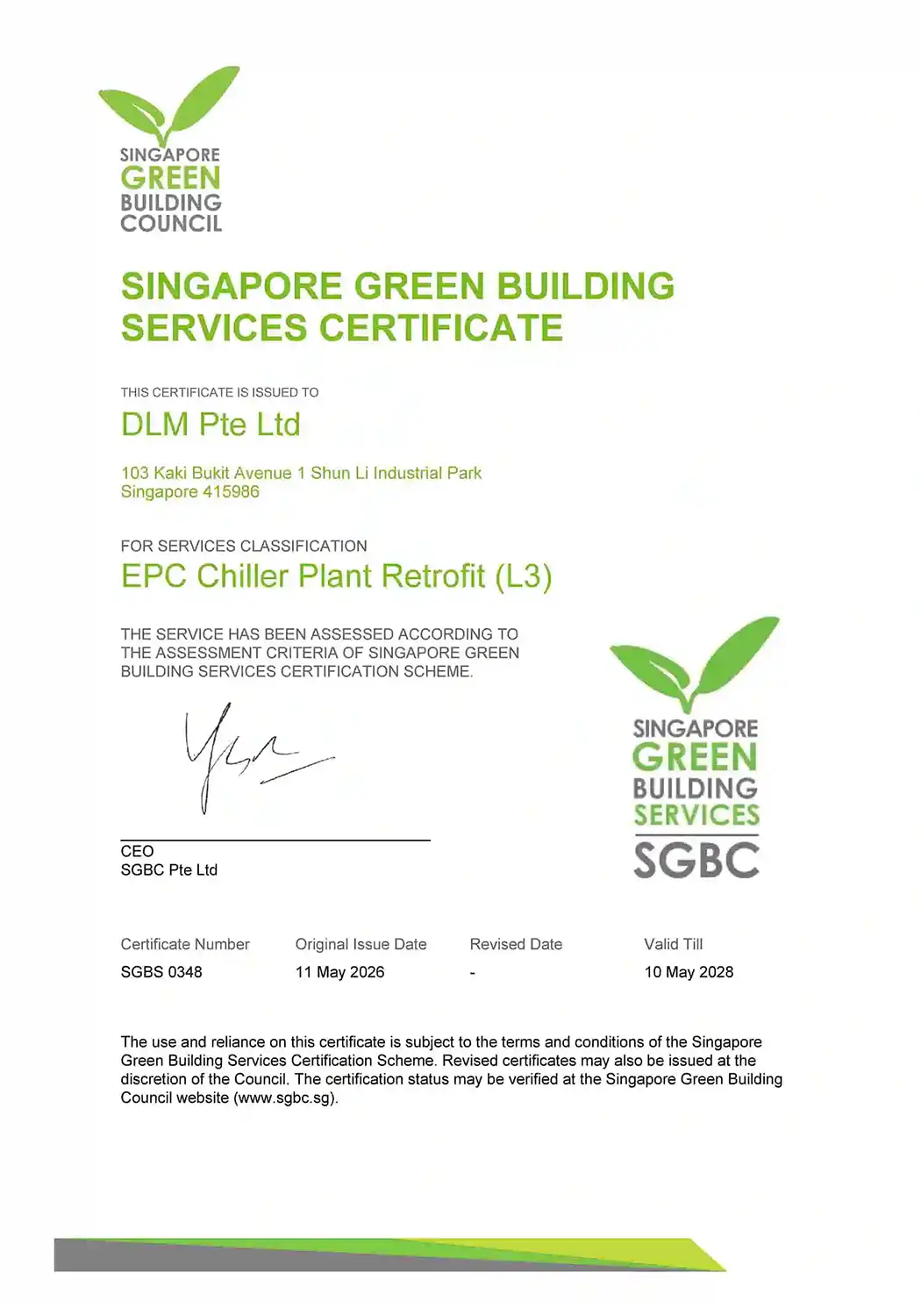
We are certified in ISO 9001 Quality Management, ISO 14001 Environmental Management, ISO 45001 Occupational Health & Safety, BizSAFE Partner, and BizSAFE Star. Our credentials are further strengthened by recognised sustainability capabilities, including SGBC Green Mark and EPC Chiller Plant Retrofit certification.

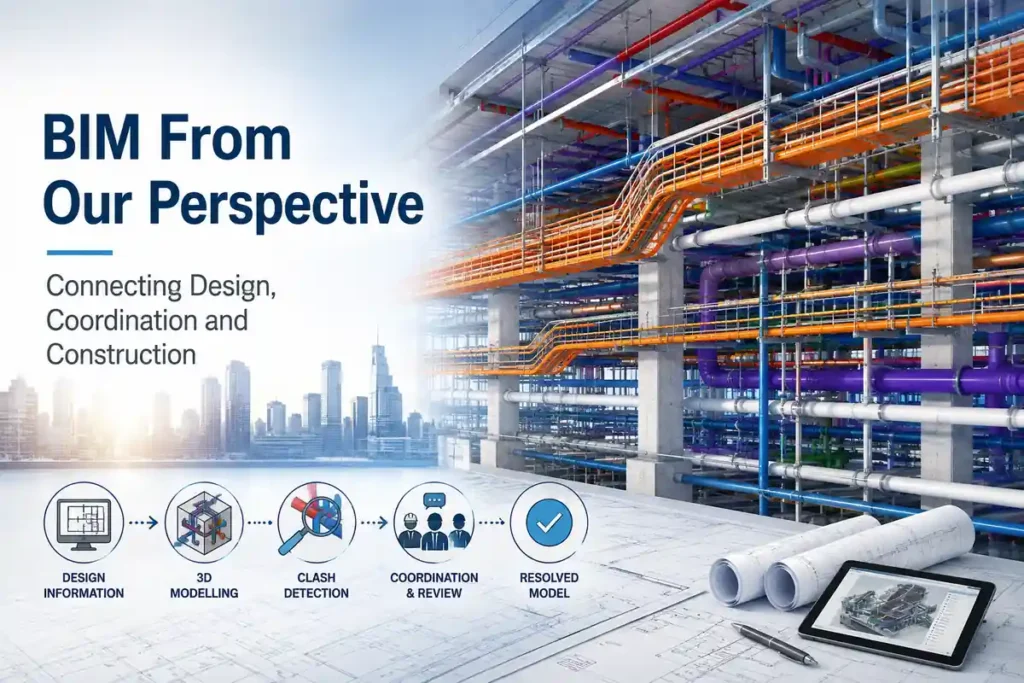
With proven expertise in Mechanical & Electrical Engineering, BIM, digital construction, Green Mark projects, and energy-efficient chiller plant retrofit solutions, we deliver safe, compliant, and future-ready engineering services built for performance, reliability, and long-term value.

Guided by Singapore’s Building and Construction Authority (BCA) standards, we continuously improve our certifications, compliance, training, and professional development to support reliable project delivery and operational excellence.

As a trusted M&E Engineering Company in Singapore, DLM Pte Ltd remains committed to delivering sustainable engineering solutions that create lasting value for our clients and communities.

Looking for the latest industry insights and updates?

Explore DLM Pte Ltd’s news and perspectives on M&E engineering and innovation

Stay updated with our latest projects, industry trends, and engineering expertise.

Connect with our team to learn how we can support your next project.